

 +7 7172 47 28 81




Atameken NCE: Industrial Cooperation and Digital Integration within the EAEU Create New Economic Opportunities
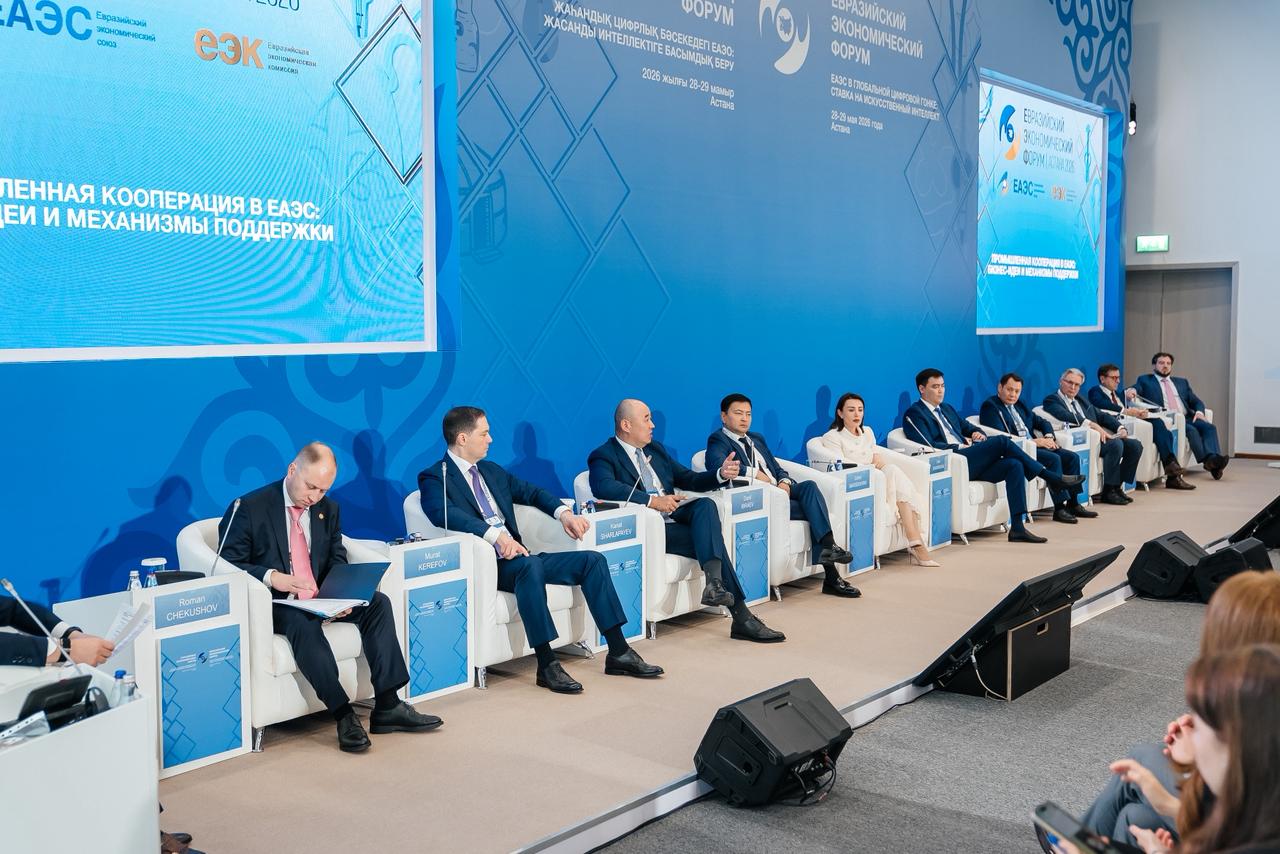
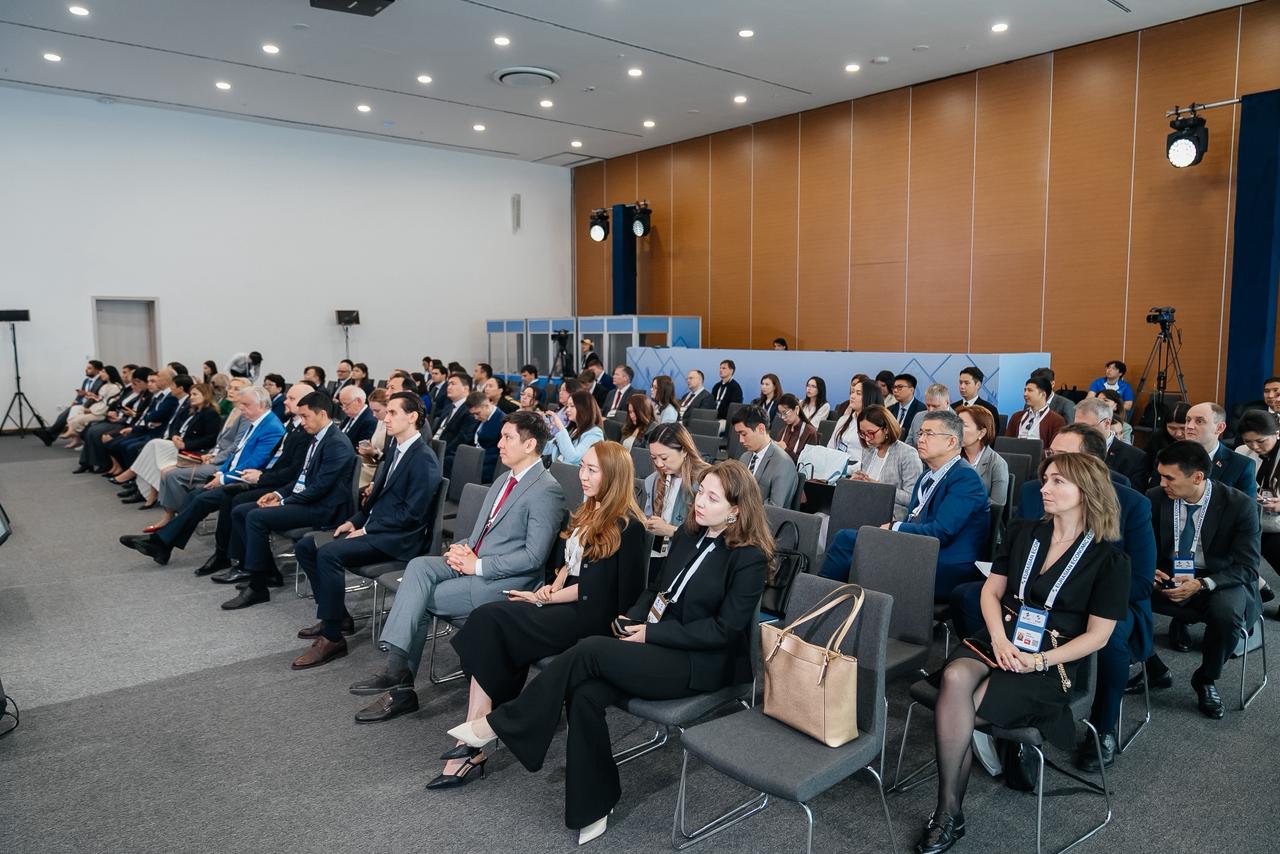
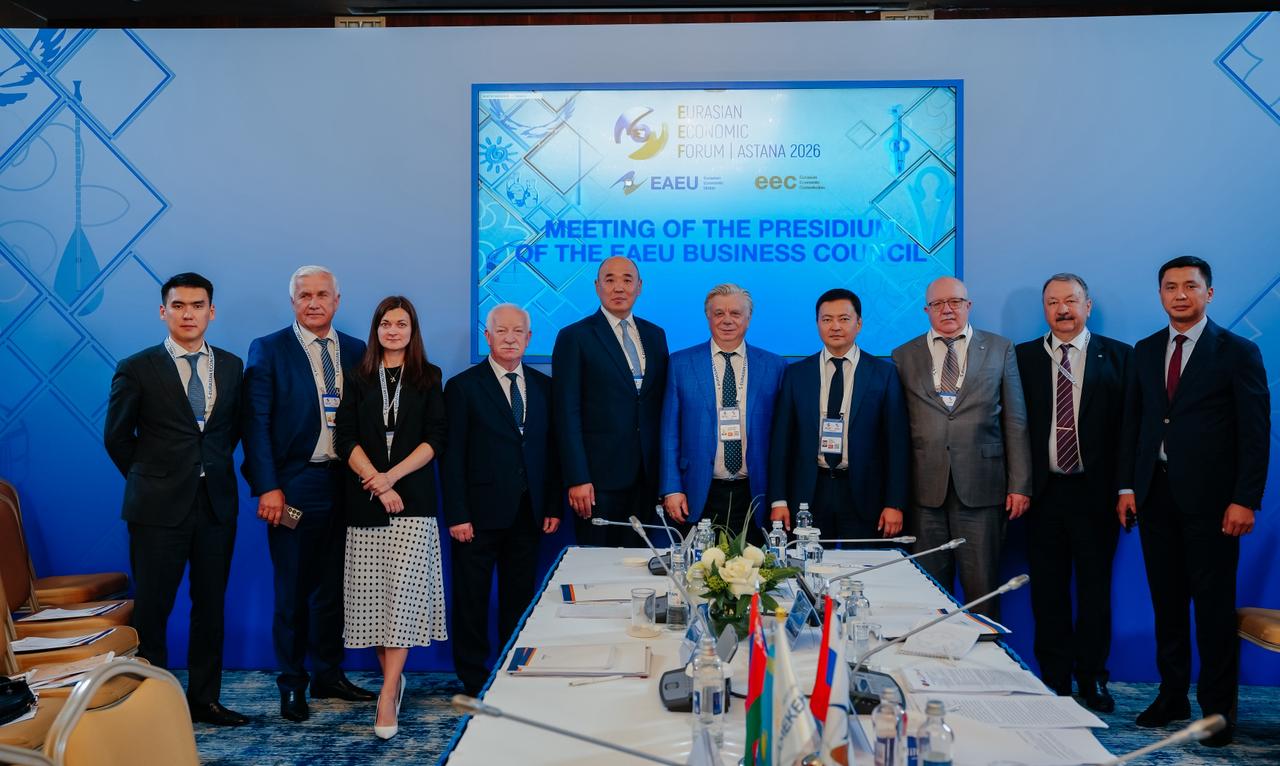
As part of the 5th Eurasian Economic Forum held in Astana, the 28th Meeting of the Presidium of the EAEU Business Council and a panel session titled “Industrial Cooperation in the EAEU: Business Ideas and Support Mechanisms” took place. The event brought together representatives of authorized bodies of the EAEU member states, business communities, industry associations, and international experts.
The forum focused on the development of industrial cooperation, digital transformation, the creation of new logistics routes, the promotion of mutual investments, and the facilitation of uninterrupted trade within the EAEU. Participants emphasized that amid ongoing global economic changes, stronger regional integration is becoming a key factor in ensuring industrial resilience and technological independence.
The panel discussion examined in detail the strategic priorities for the development of industrial sectors across EAEU member states, the integration of small and medium-sized enterprises into cooperative production chains, financial support instruments for integration projects, and existing barriers to industrial cooperation.
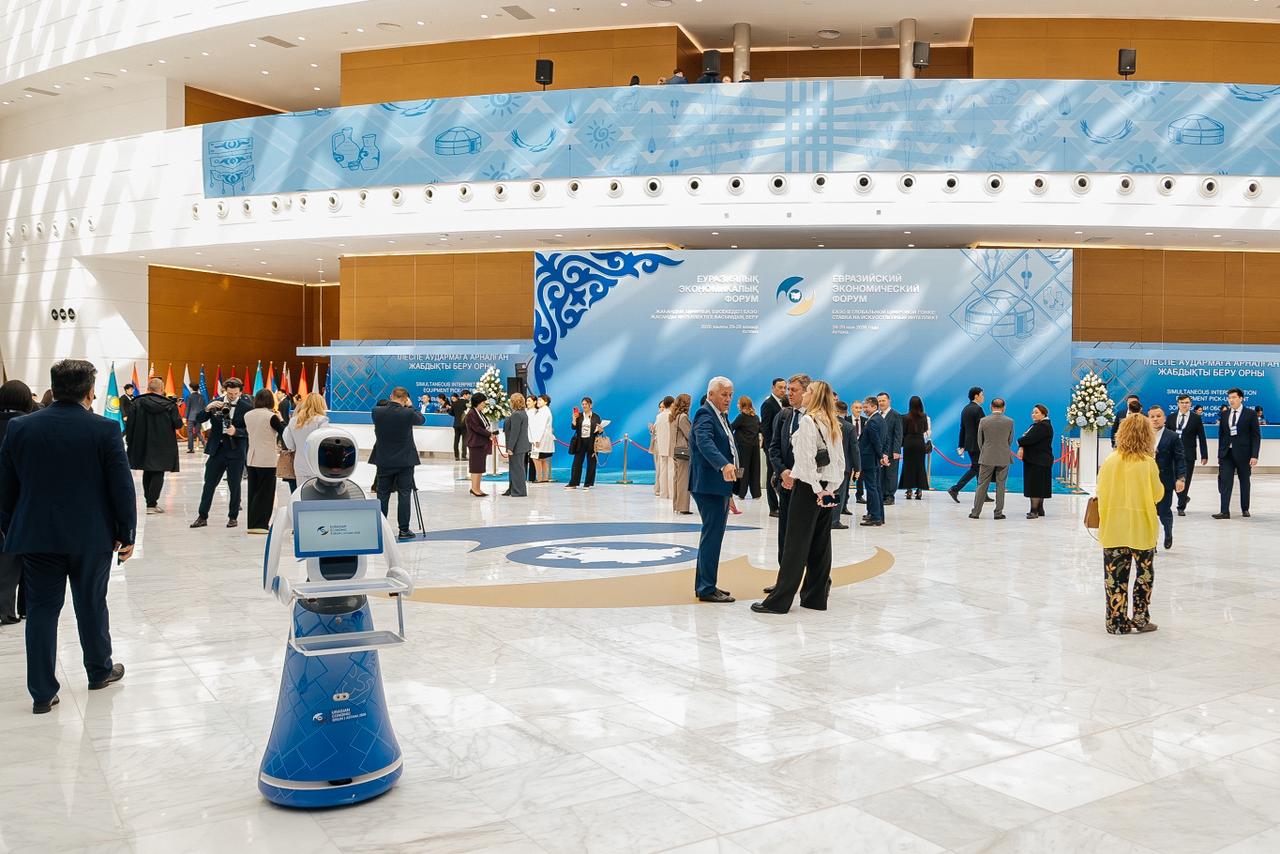
Particular attention was given to financial support mechanisms for industrial cooperation being developed by the Eurasian Economic Commission, as well as to the EAEU Industry digital platform. These initiatives enable enterprises to identify new partners, expand production ties, and build a unified digital ecosystem.
Speaking at the extended meeting of the Presidium of the EAEU Business Council, Kanat Sharlapayev, Chairman of the Presidium of the National Chamber of Entrepreneurs of the Republic of Kazakhstan “Atameken”, noted that Kazakhstan’s chairmanship in the EAEU bodies marks a new stage in the integration process.
“Amid global transformation, industrial cooperation and digital integration within the EAEU are not merely economic necessities but strategic priorities that ensure the long-term competitiveness of our member states,” Kanat Sharlapayev emphasized.
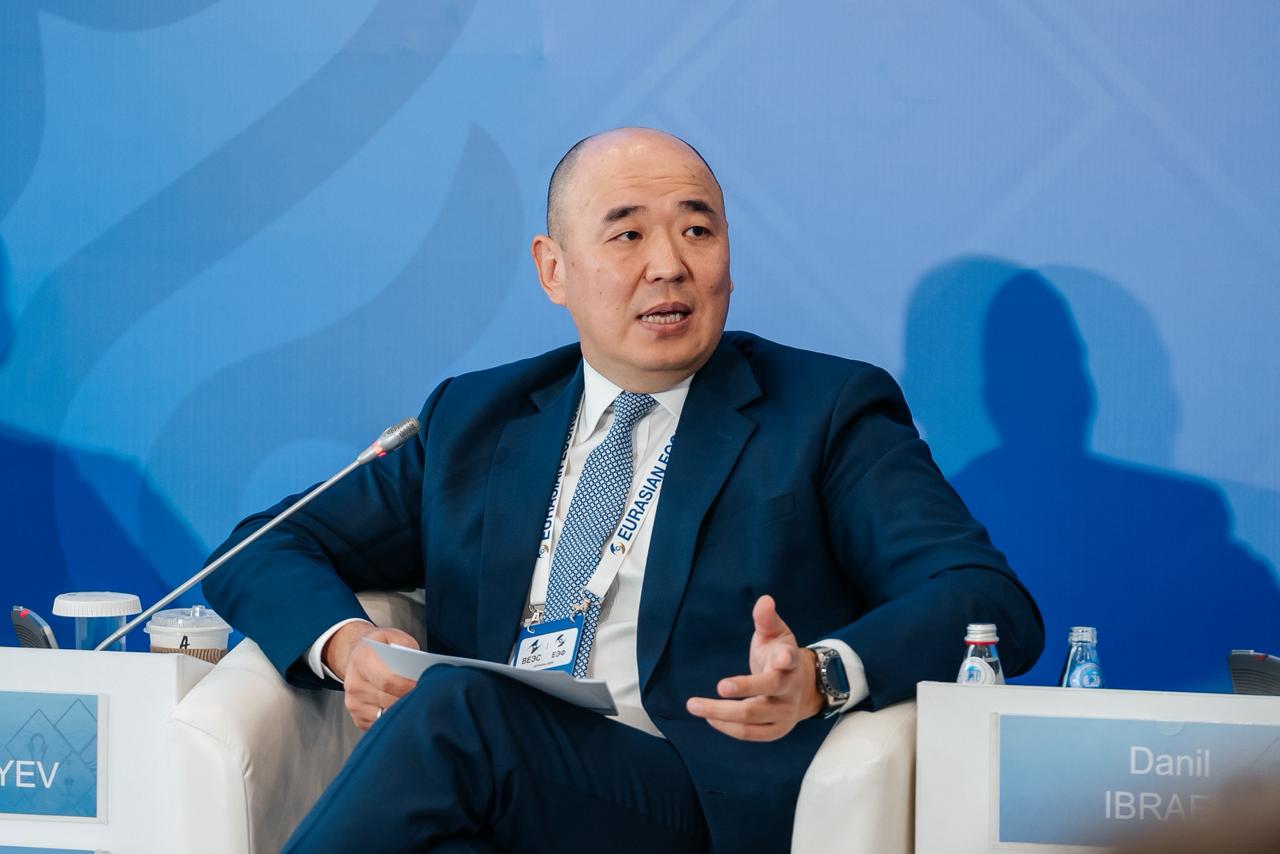
He also noted that in his State of the Nation Address, President of the Republic of Kazakhstan Kassym-Jomart Tokayev identified artificial intelligence and digital technologies as key drivers of economic growth. In this regard, Atameken considers the development of artificial intelligence, the implementation of digital solutions, and the expansion of technological partnerships within the EAEU among its priority areas.
Logistics resilience and the maintenance of uninterrupted trade were also among the forum’s key topics. Participants stressed that changing supply chains, volatility in external markets, and the emergence of new trade routes require stronger industrial cooperation among EAEU member states.
Kanat Sharlapayev noted that under the current geopolitical and economic conditions, businesses in the EAEU are compelled to establish new logistics routes and cooperative partnerships. He further emphasized that unilateral restrictions introduced by member states without prior coordination negatively affect business activities, disrupt supply chains, and create additional financial costs.
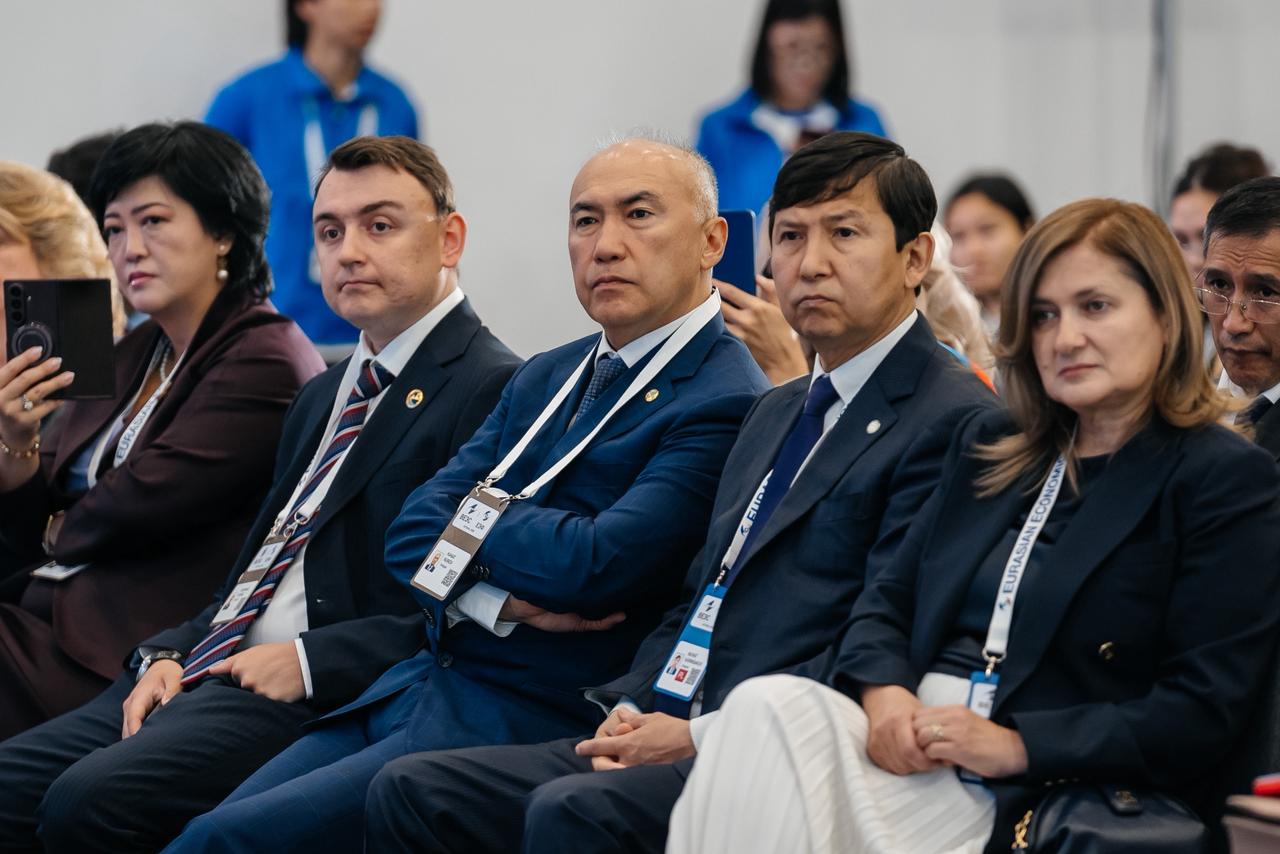
“For businesses, stability and predictability remain essential. Therefore, all decisions within the EAEU should take into account the real interests of entrepreneurs and be based on the principles of mutual trust and open dialogue,” stated Kanat Sharlapayev.
In this context, Atameken regards the free movement of businesses, adherence to the principles of uninterrupted trade, and the creation of a transparent and predictable business environment as key priorities within the EAEU.
The meeting also reviewed the implementation of the “Eurasian Economic Path” Declaration on the development of the EAEU through 2030 and up to 2045. Alnur Danishev, Managing Director and Director of the Economic Integration Department of Atameken, reported that the roadmap includes 340 measures aimed at advancing integration processes.
The document provides for:
• development of a common goods market;
• strengthening technological cooperation;
• creation of a unified transport and logistics space;
• advancement of digital technologies and artificial intelligence;
• promotion of mutual investments;
• enhancement of the EAEU’s international economic attractiveness.
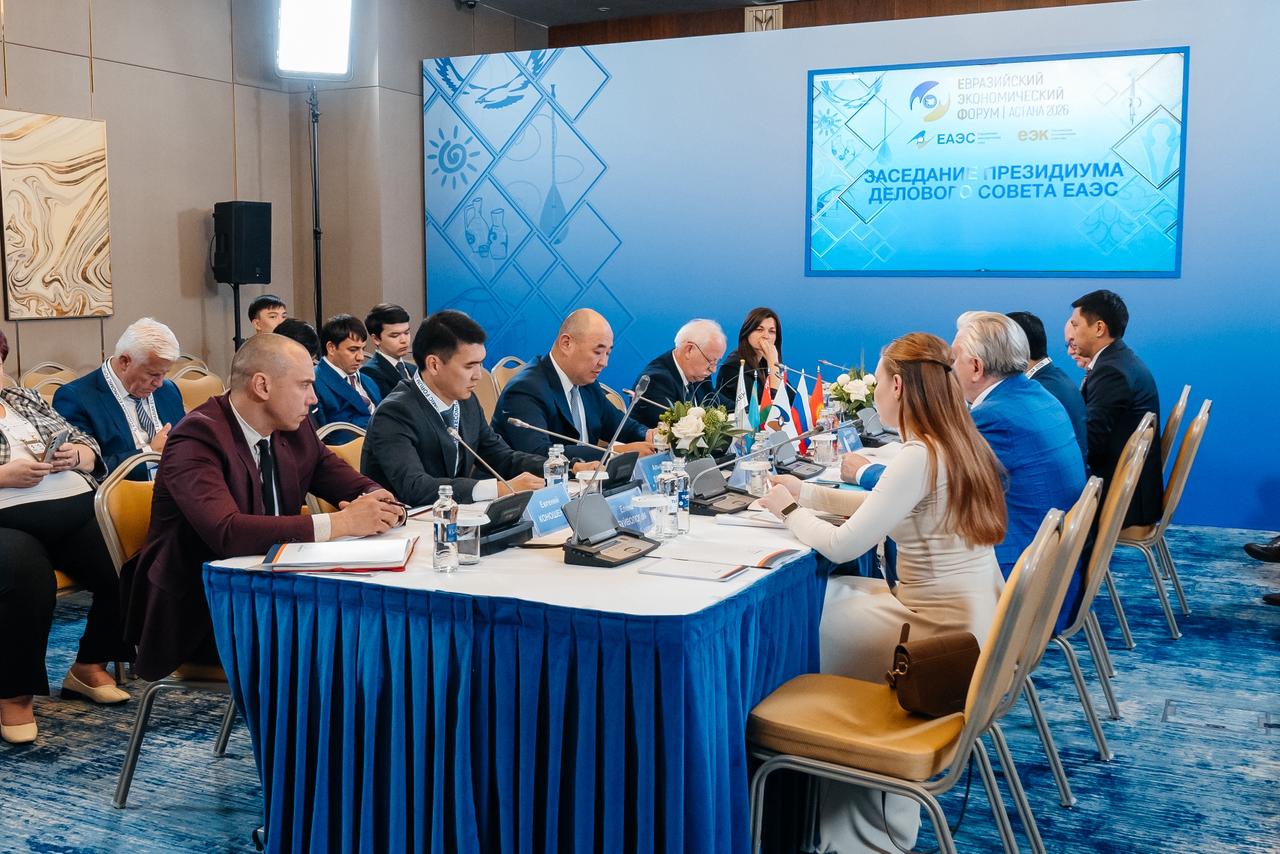
In addition, the Business Council has been assigned a number of tasks related to investment protection, the expansion of industrial cooperation, and the creation of a favorable business environment. Atameken will continue to systematize proposals from the business community and promote them through the Eurasian Economic Commission.
The event also addressed the expansion of cooperation with business communities from third countries. Participants highlighted the importance of strengthening trade and economic ties with countries in Asia, the Middle East, Europe, and Latin America, as well as effectively utilizing the potential of international exhibitions and business forums.
Several international documents were signed during the forum, including a Memorandum of Cooperation between the Intersectoral Association “ALATEX” and the National Association of Building Materials Manufacturers, as well as a Memorandum of Cooperation in the field of logistics between TransExpeditions LLP and RTL LLC.
The event demonstrated that a new stage of economic integration within the EAEU is being shaped through deeper industrial cooperation, synchronization of digital technologies, and stronger cross-border business ties. According to experts, practical cooperation and economic policies based on mutual trust will become key factors of technological resilience and global competitiveness across the Eurasian region in the coming years.
 385
385