

 +7 7172 47 28 81






Constitutional Reform Strengthens Kazakhstan’s Institutional Foundations and Investment Appeal – Murat Karimsakov
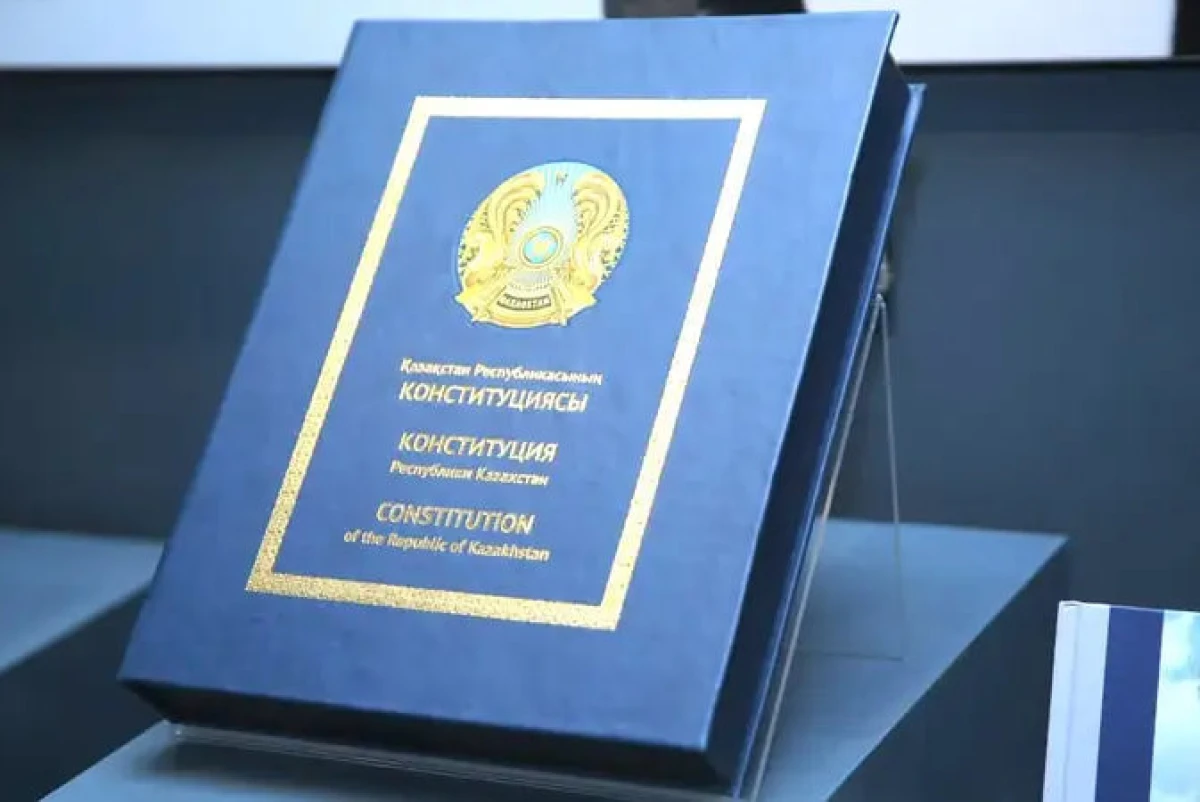
The constitutional reform marks an important stage in Kazakhstan’s institutional development, laying a sustainable foundation for long-term economic growth and strengthening trust among businesses and international partners. This is not about isolated changes but a comprehensive constitutional modernization that touches all sections of the Constitution and establishes a new architecture of public governance.
Embedding the primacy of human rights and freedoms, as well as principles of justice, law, and order, into the Constitution creates a more predictable and transparent environment for business activities. For the business community, this means stronger legal guarantees, protection of investors’ interests, and greater resilience of economic institutions. Importantly, the updated constitutional framework establishes a clearer balance between the state and citizens, where human rights form the foundation of the entire legal system rather than being secondary.
For the Chamber of International Commerce of Kazakhstan, these changes have practical significance in the context of developing foreign economic relations and attracting investment. Establishing a stable legal and institutional environment directly impacts the investment climate, enhances foreign partners’ confidence, and promotes the expansion of international trade and economic cooperation. The adoption of the new constitutional edition, covering over 80% of the content, strengthens legal certainty and regulatory quality, which is critical for long-term investment decisions.
Particular emphasis is placed on human capital, education, science, and innovation. This approach directly affects the competitiveness of the national economy and creates conditions for transitioning to a knowledge-based economy, which is especially important in the context of Kazakhstan’s integration into global value chains. In this sense, the updated Constitution reflects a shift from an outdated, overly centralized model to a modern, balanced system with clearly structured institutions and checks and balances.
Overall, the constitutional changes confirm the country’s path toward a modern, open, and future-oriented state, where economic stability, improved business environment, and strengthened institutions create the foundation for sustainable growth, increased investment activity, and expanded international economic partnership. The new Constitution enshrines a citizen-centered approach, where the state exists for the benefit of its people, safeguarding their dignity, security, and opportunities for self-realization, thus establishing a fundamentally new basis for the development of the economy and society.
 1228
1228