

 +7 7172 47 28 81



Atameken NCE Hosts Meeting with European Commission Delegation
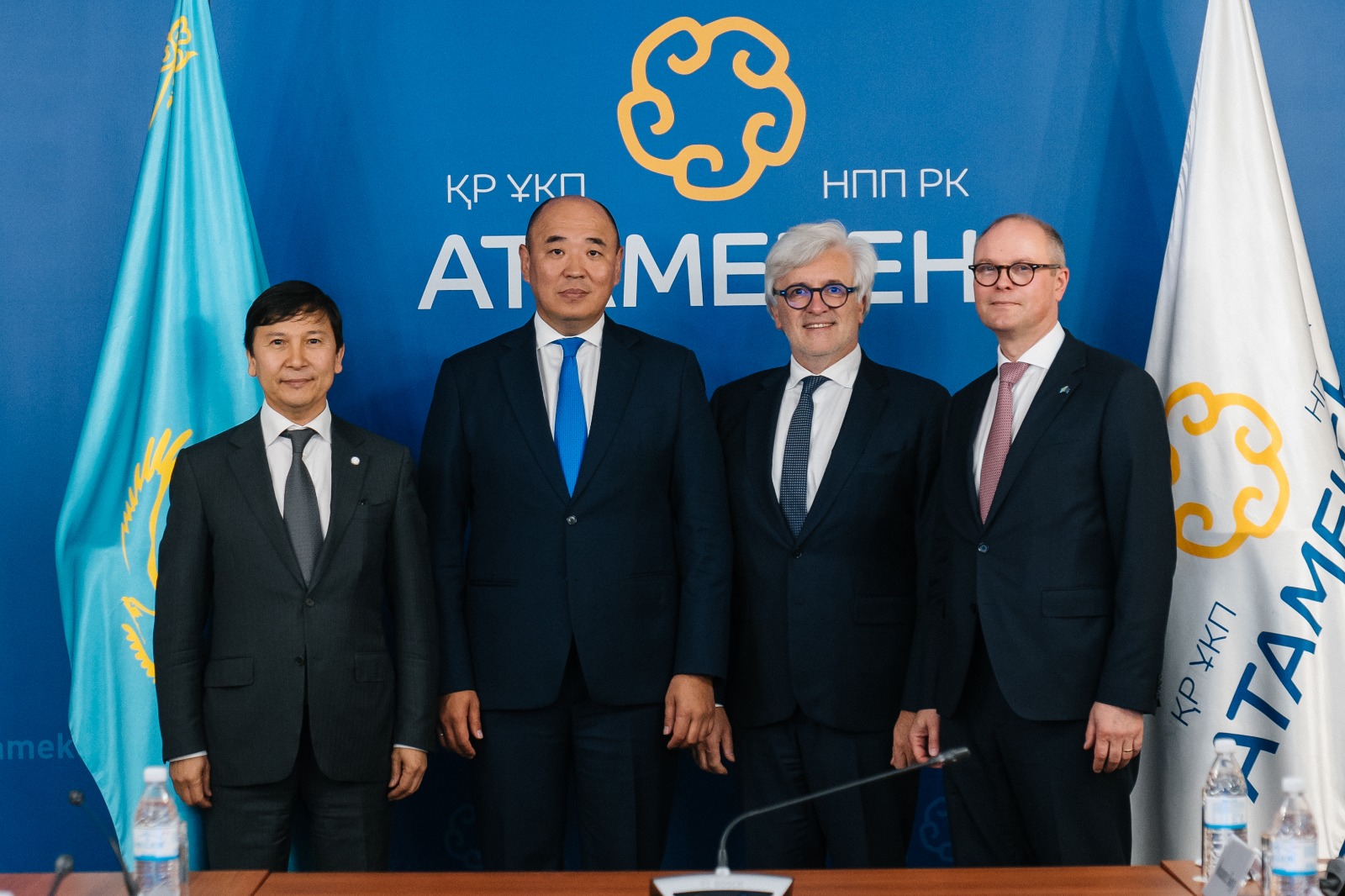
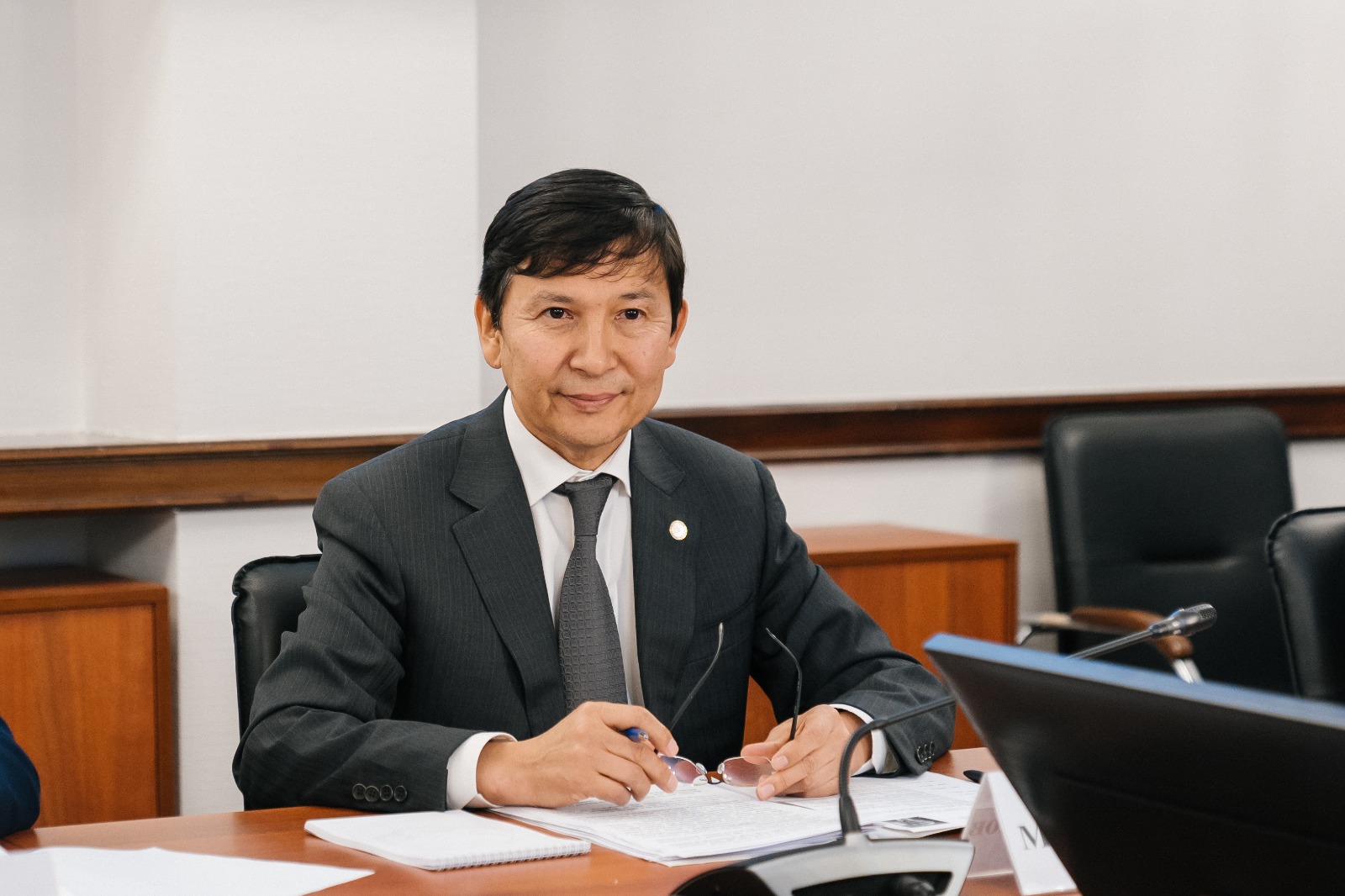
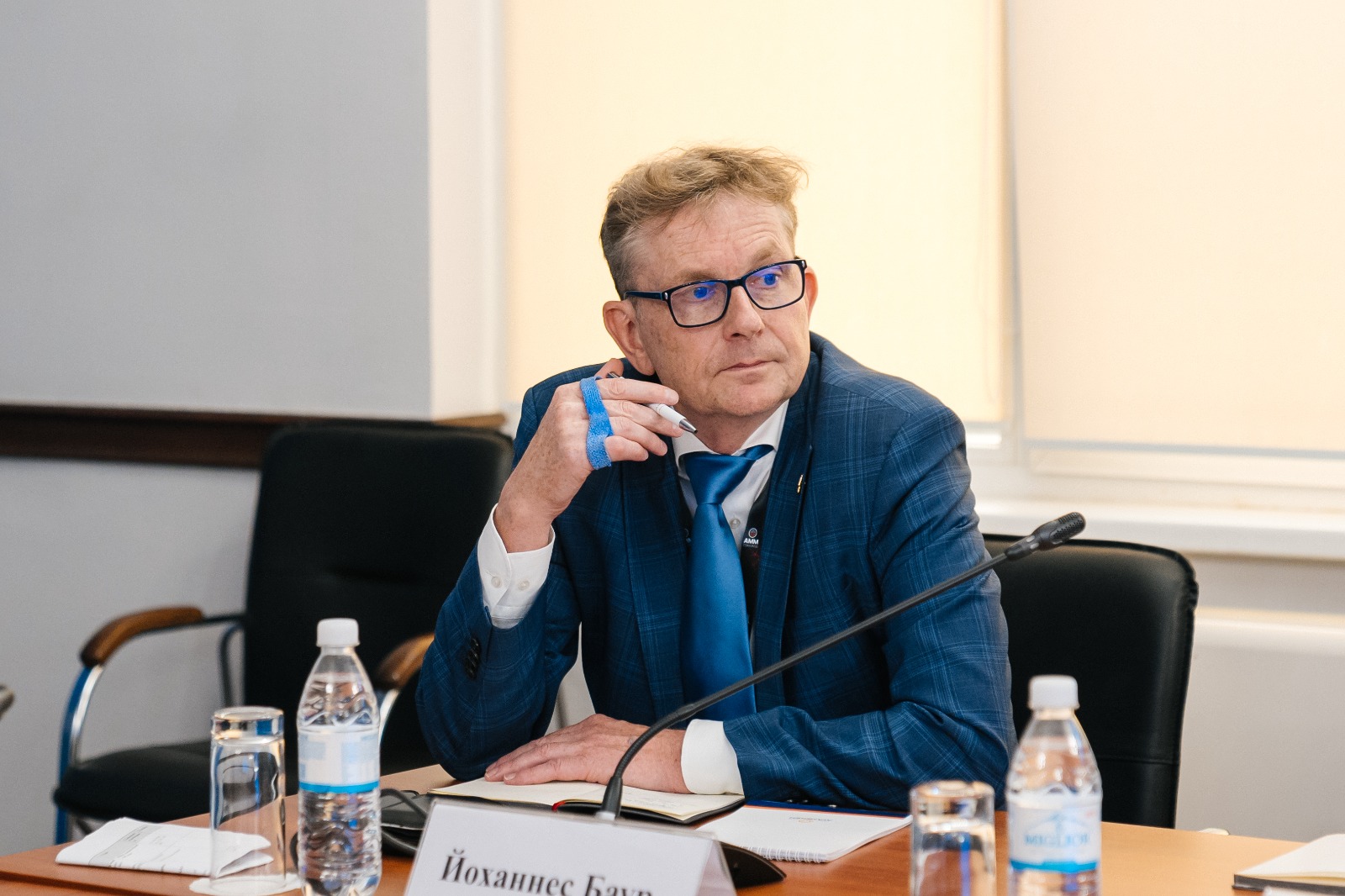
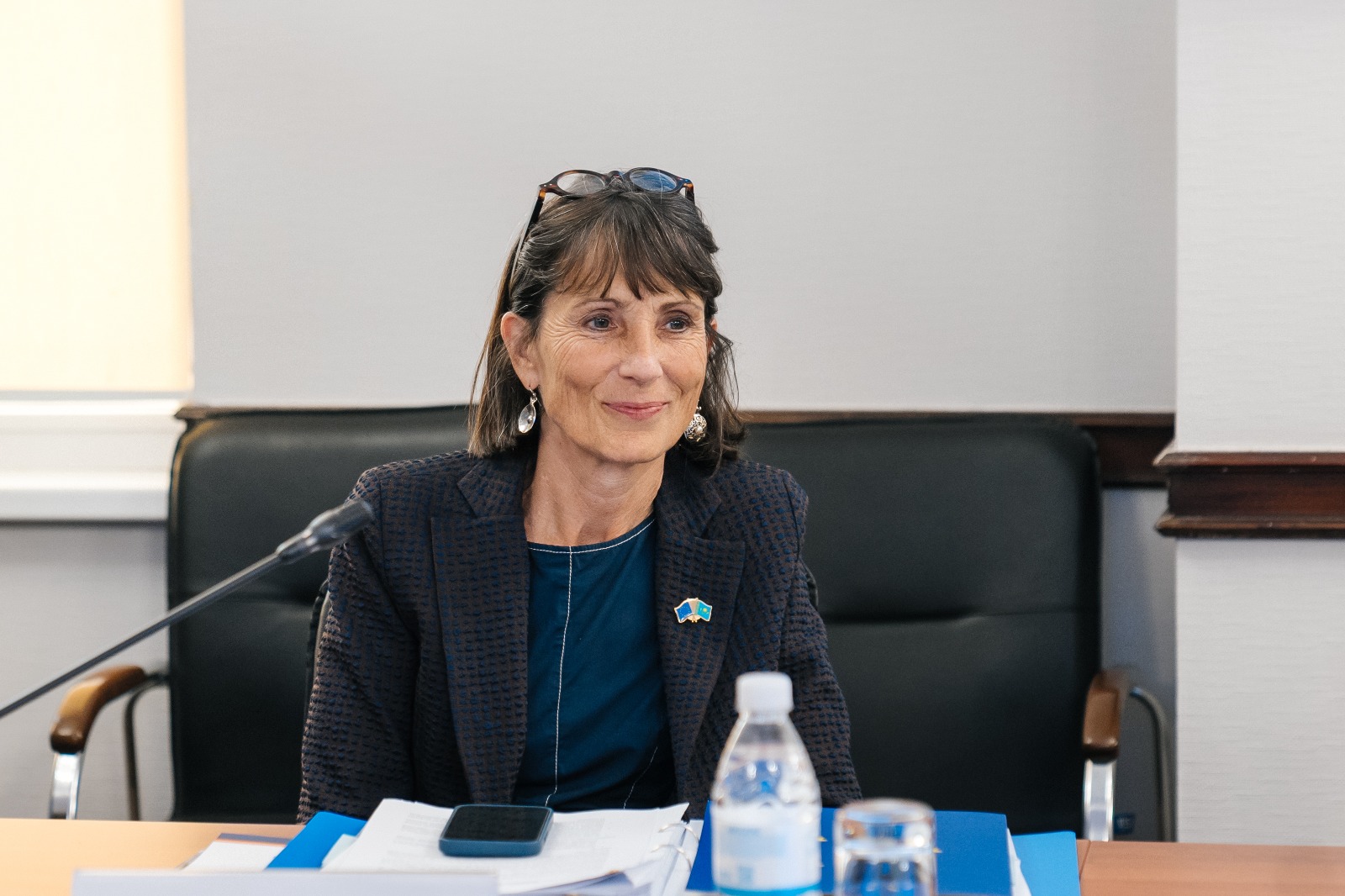
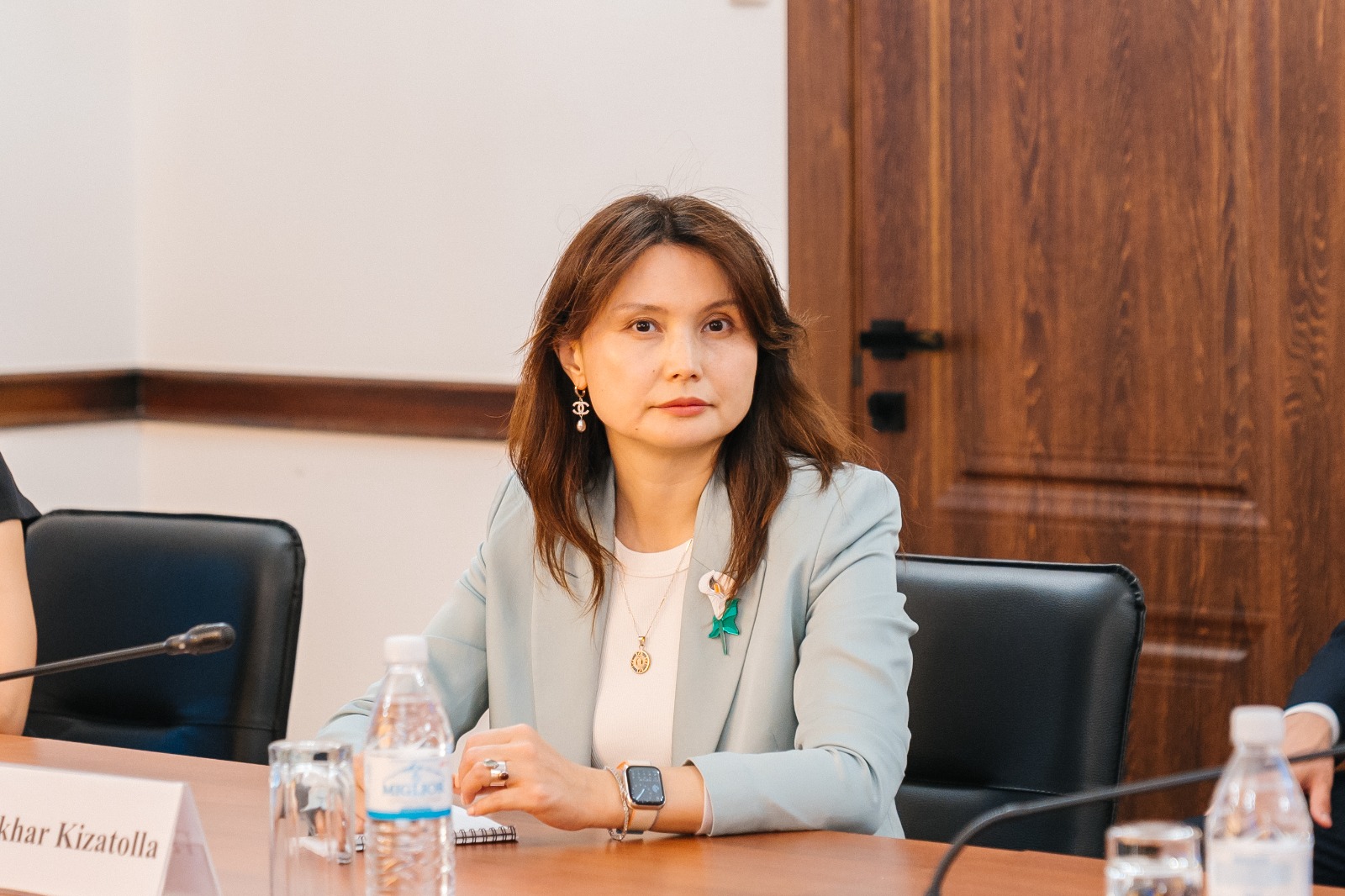
On June 11 in Astana, Chairman of the Presidium and Chairman of the Board of the National Chamber of Entrepreneurs of the Republic of Kazakhstan “Atameken”, Kanat Sharlapayev, held a meeting with a delegation of the European Commission led by Valère Moutarlier, Deputy Director-General for Internal Market, Industry, Entrepreneurship and SMEs (DG GROW).
The meeting was attended by representatives of the European Commission’s Directorate-General for Internal Market, Industry, Entrepreneurship and SMEs (DG GROW), the Directorate-General for International Partnerships (DG INTPA), the Delegation of the European Union to the Republic of Kazakhstan, as well as Chairman of the Board of the Chamber of International Commerce of Kazakhstan, Murat Karimsakov.
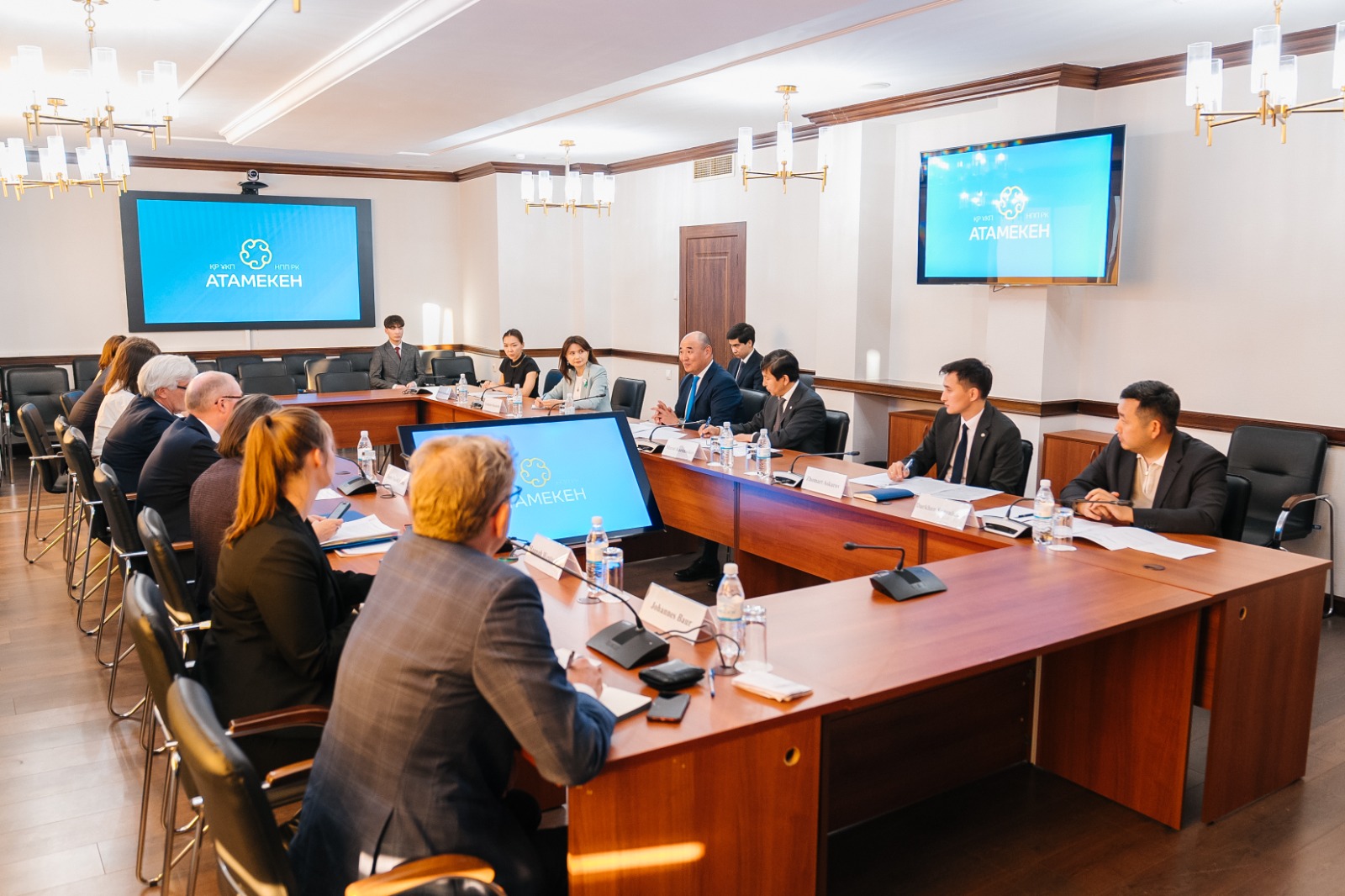
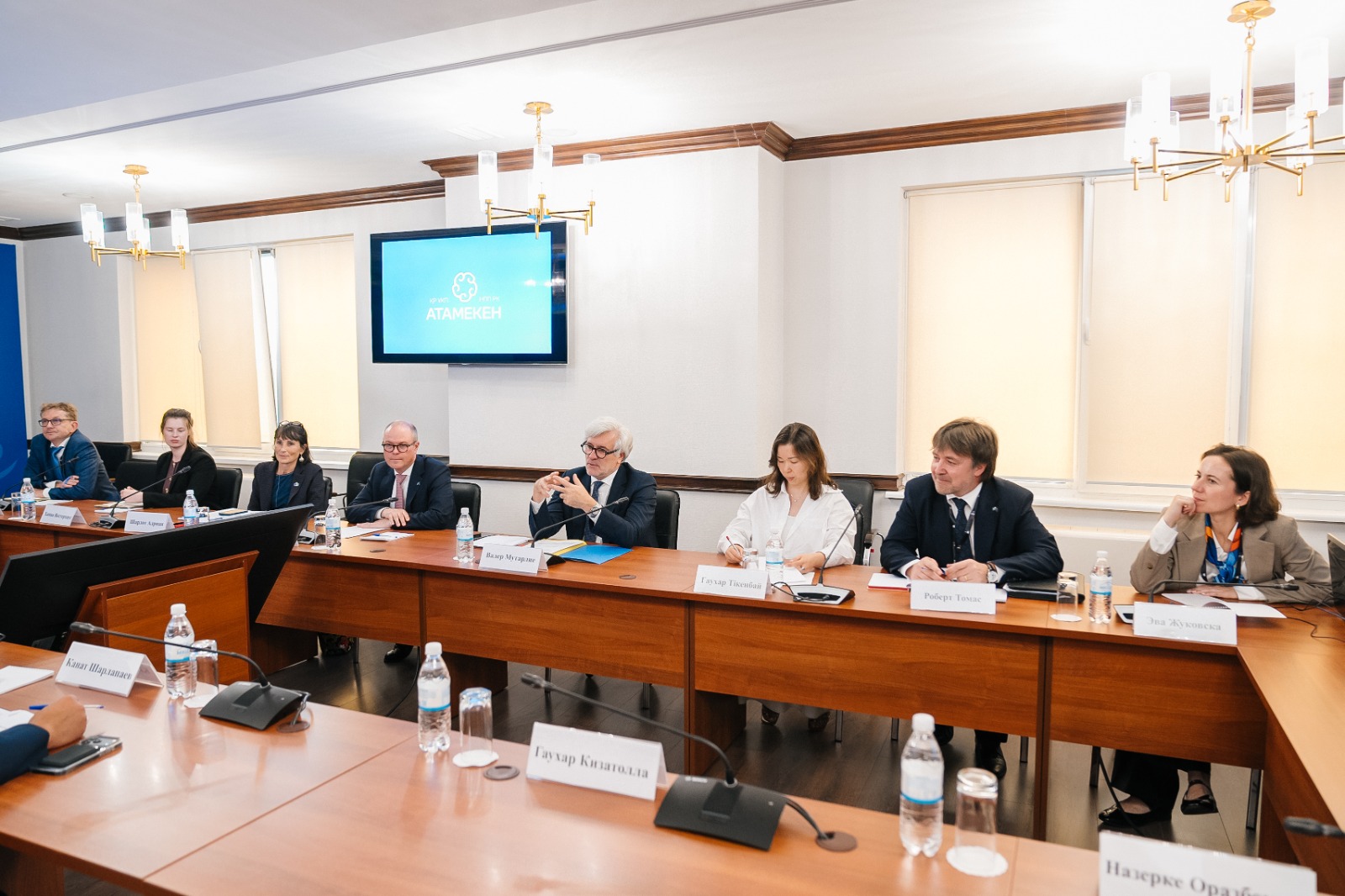
Opening the meeting, Kanat Sharlapayev emphasized that the European Union remains one of Kazakhstan’s key trade and investment partners. Today, Kazakhstan accounts for approximately 80% of the total trade turnover between the countries of Central Asia and the EU.
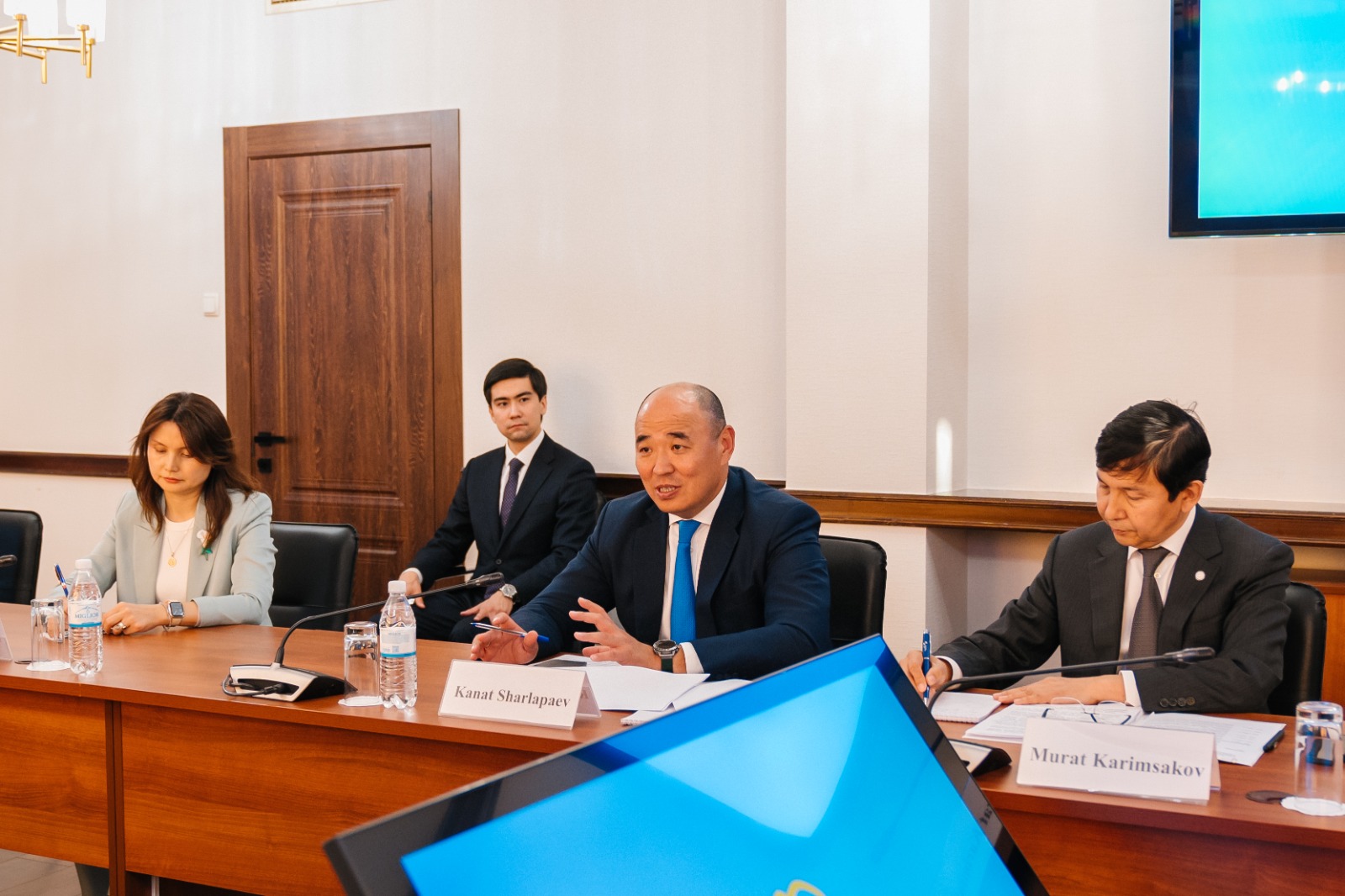
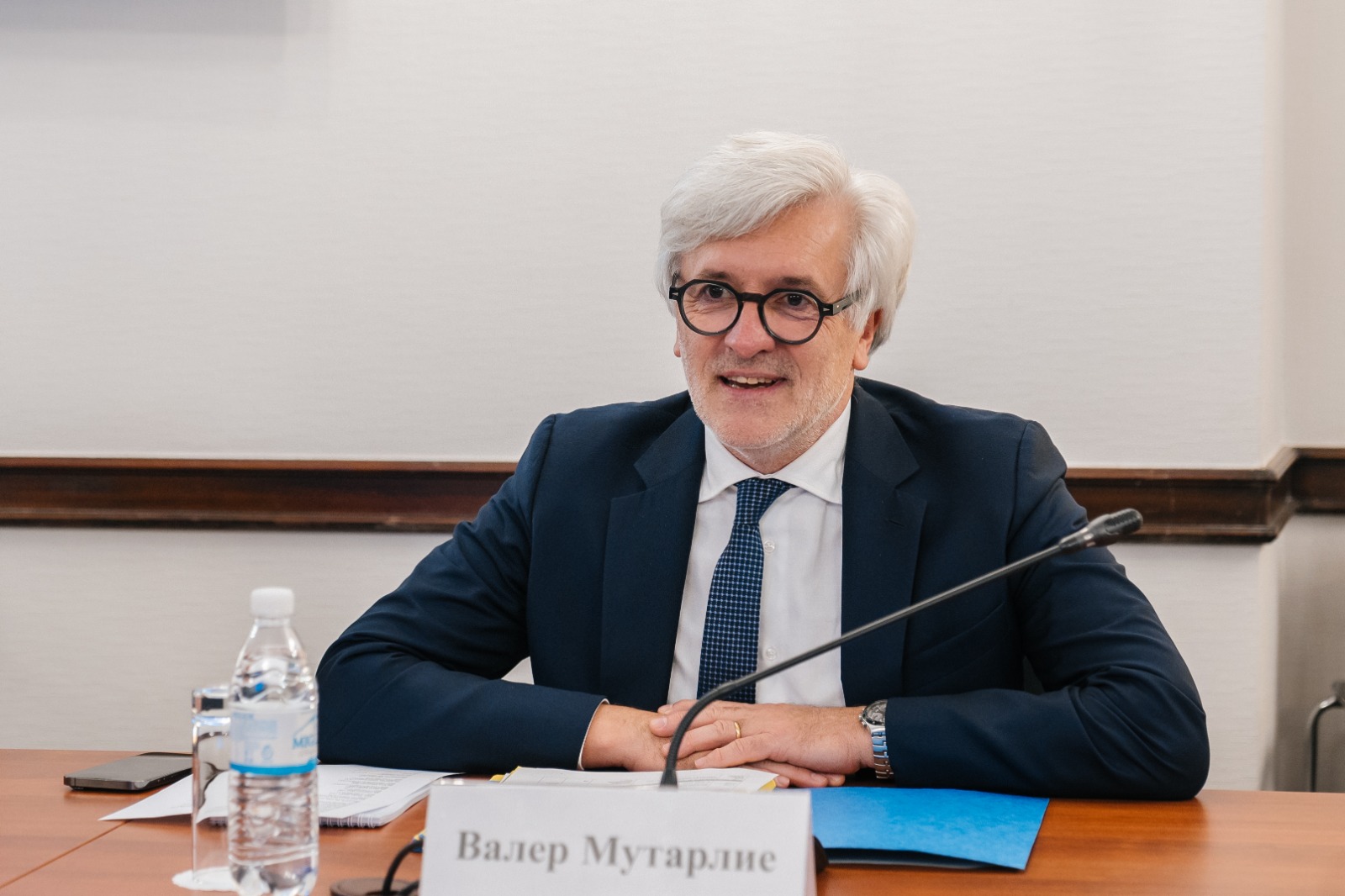
The parties discussed the implementation of joint initiatives under the Global Gateway strategy aimed at developing transport, energy, digital, and industrial infrastructure. Particular attention was given to the development of the Trans-Caspian International Transport Route, digital connectivity projects, as well as cooperation in the fields of energy, water resources, and climate change.
A separate focus of the discussions was the development of industrial cooperation between Kazakhstan and the European Union member states. It was noted that in 2025, Kazakhstan implemented 190 industrial projects with a total value of KZT 1.5 trillion, creating more than 22,000 jobs and contributing to the further development of high value-added industries.
The participants reviewed prospects for implementing joint projects in mechanical engineering, railway transport, agricultural machinery manufacturing, construction materials production, and other manufacturing sectors. Successful examples of industrial cooperation included projects involving European companies such as Stadler Rail AG, CLAAS, HORSCH, AMAZONE, Knauf Gruppe, Alstom, and Lasselsberger Group.
Special attention was devoted to the development of the strategic partnership between Kazakhstan and the European Union in the field of critical raw materials. It was emphasized that the mining and metallurgical complex remains one of the key sectors of the national economy, while the development of raw material processing and the establishment of new production facilities continue to be important areas of cooperation with European partners.
During the meeting, the European side was informed about the implementation of the Roadmap for the Development of the Mining and Metallurgical Complex for 2026–2028 and the preparation of the Strategy for the Development of Critical Minerals until 2030.
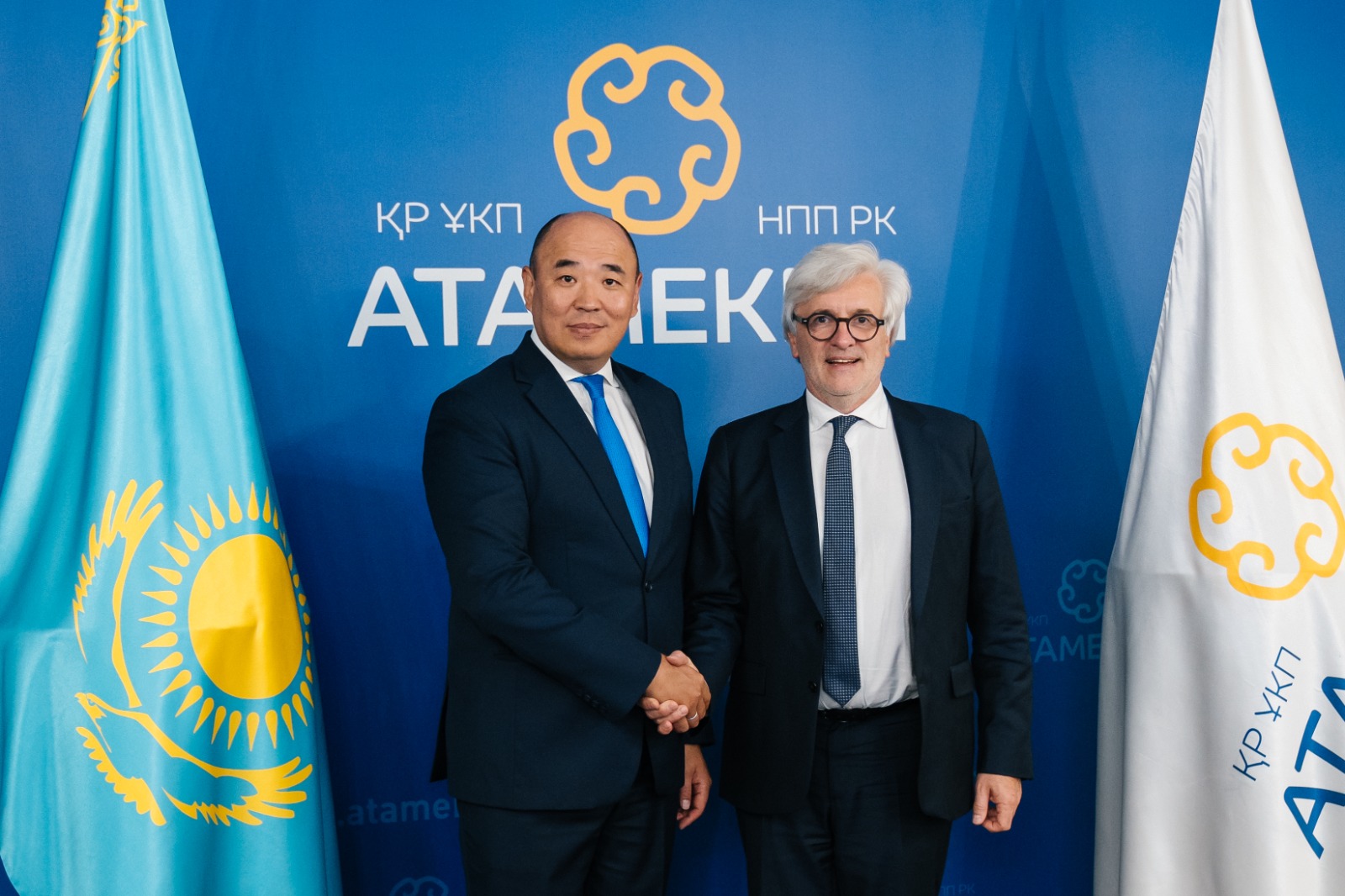
Following the discussions, the parties reaffirmed their commitment to further strengthening trade, economic, and investment cooperation, expanding industrial collaboration, and implementing joint projects that contribute to the sustainable development of the economies of Kazakhstan and the European Union.
 94
94