

 +7 7172 47 28 81




Murat Karimsakov Takes Part in the 14th Congress of the Atameken National Chamber of Entrepreneurs
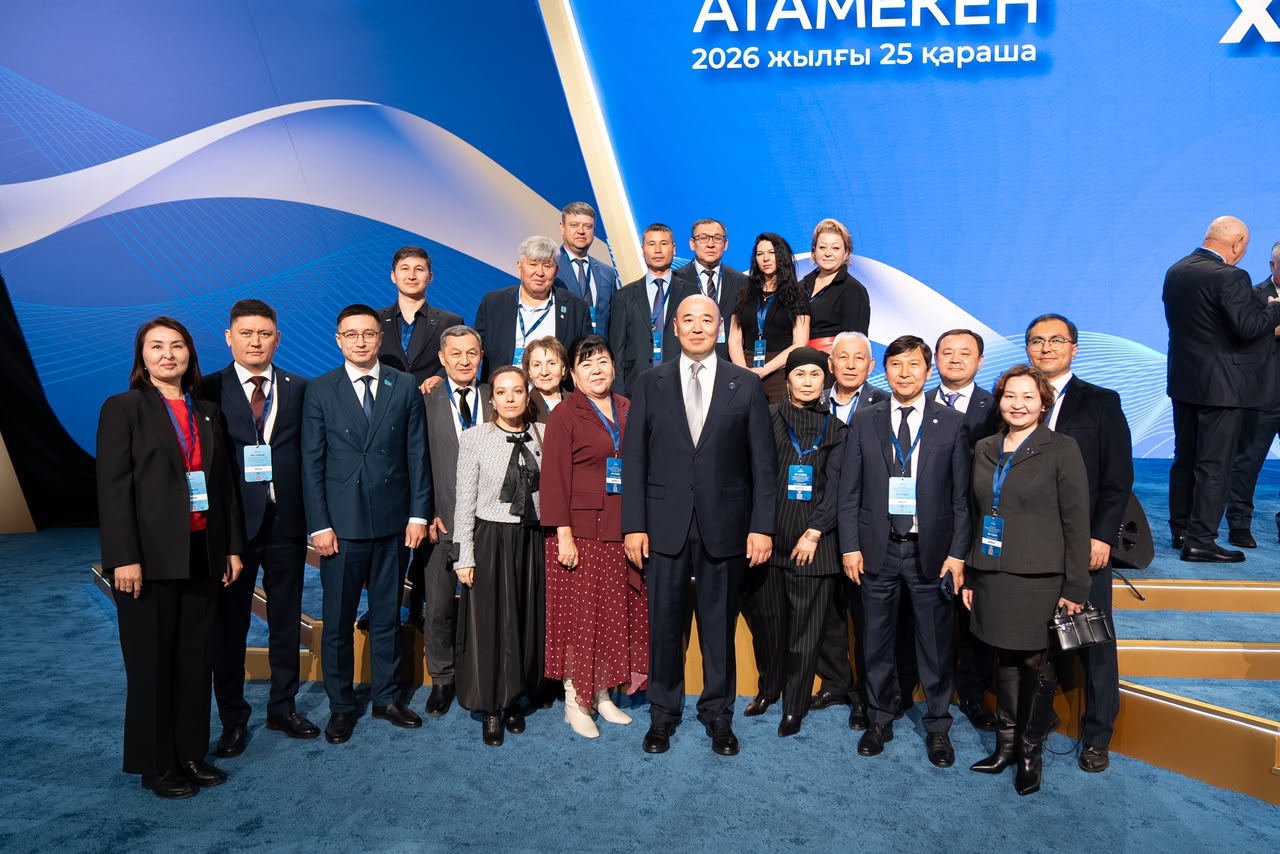
The 14th Congress of the Atameken National Chamber of Entrepreneurs of the Republic of Kazakhstan was held in Astana on November 25, 2026, with the participation of Nurlybek Nalibayev, First Deputy Prime Minister of the Republic of Kazakhstan. The Congress was attended by Murat Karimsakov, Deputy Chairman of the Management Board of the Atameken National Chamber of Entrepreneurs and Chairman of the Management Board of The Chamber of International Commerce of Kazakhstan.
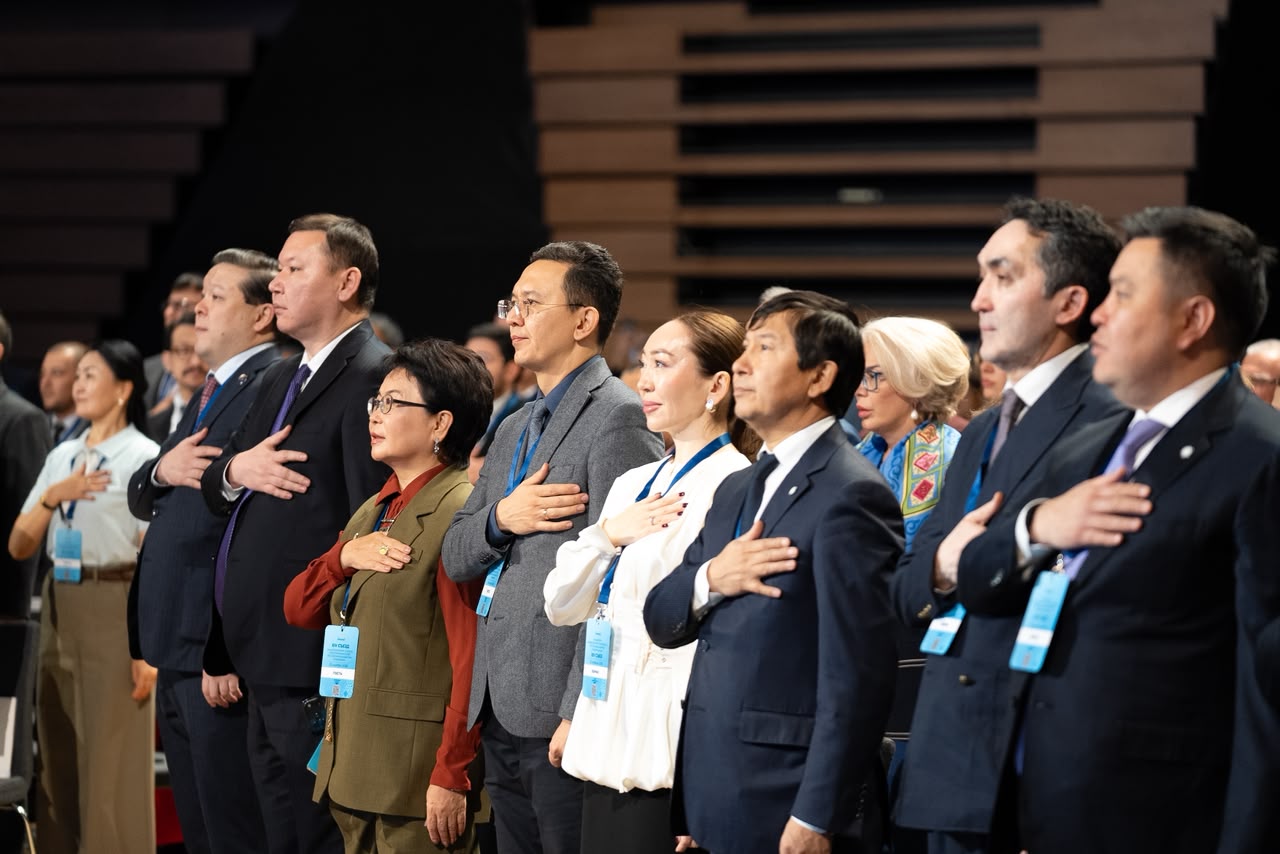
Kanat Sharlapayev, Chairman of the Presidium of the Atameken National Chamber of Entrepreneurs, presented the Chamber’s results for 2025 and the first half of 2026. His report covered the protection of entrepreneurs’ rights, work with the Government on the implementation of the new Tax Code, and measures to support domestic producers.
The Congress addressed access to finance for businesses and the conditions under which Kazakhstani enterprises participate in public procurement. Following proposals by the National Chamber, the delivery period for domestic producers was extended from 15 to 60 days, and the advance payment rate was raised from 30 to 50 percent.
Support for investment projects was a priority in its own right. The National Chamber helped address issues affecting 12 projects with a total value of KZT 109 billion. Chamber representatives visited more than 100 companies across 17 regions, documented more than 120 barriers reported by investors, and submitted them to the Government Office for review. The Chamber also identified 2,457 potential projects involving business expansion, new investment, or a search for investors.
Domestic enterprises need investment and access to markets. Under the “Made in Kazakhstan” programme, the National Chamber proposed 21 of the 67 measures. Fifty memoranda on promoting Kazakhstani products were signed in the regions, and at least 30 percent of retail shelf space was allocated to domestic goods. The Chamber issued 117,558 certificates of origin in 2025 and 68,878 in the first half of 2026.
Following proposals by the National Chamber, the delivery period for Kazakhstani producers in public procurement was extended from 15 to 60 days, the payment period was reduced from 30 calendar days to 10 working days, and the advance payment rate rose from 30 to 50 percent. The Samruk-Kazyna Fund is expanding the use of long-term offtake contracts in its procurement, including contracts of up to 20 years, to link orders to investment and the development of local production.
The Congress paid particular attention to support for investment projects and the expansion of markets for Kazakhstani products. The report presented the results of work with investors and enterprises in the regions. One example of export support was the increase in the number of countries importing Kazakhstani wheat from 17 to 29.
The National Report on the State of Entrepreneurial Activity drew on a survey of more than 5,500 companies and entrepreneurs. Respondents identified factors affecting business operations and growth plans. Particular attention was paid to access to finance, digitalisation, and the adoption of artificial intelligence.
The findings helped the National Chamber set its priorities for future work. These include developing accessible financial and digital tools, strengthening entrepreneurs’ digital skills, and creating conditions for sustainable business growth.
The delegates approved the Atameken National Chamber’s annual report covering 2025 and the first half of 2026 and adopted the Audit Commission’s annual report for 2025. They also reviewed the composition of the Presidium and the Audit Commission and backed amendments and additions to the Chamber’s Charter. Changes to the composition of the Presidium were linked to the transition to a new system of governance and the formation of the Kurultai of the Republic of Kazakhstan. The amendments to the Charter formalised the Chamber’s updated functions and its areas of work in protecting business interests, supporting domestic production, expanding exports, and facilitating investment. The Charter also sets out the Chamber’s role in promoting domestic investment projects.
 1