

 +7 7172 47 28 81




Kazakh and Kyrgyz Businesses Discuss Trade Development and Joint Projects
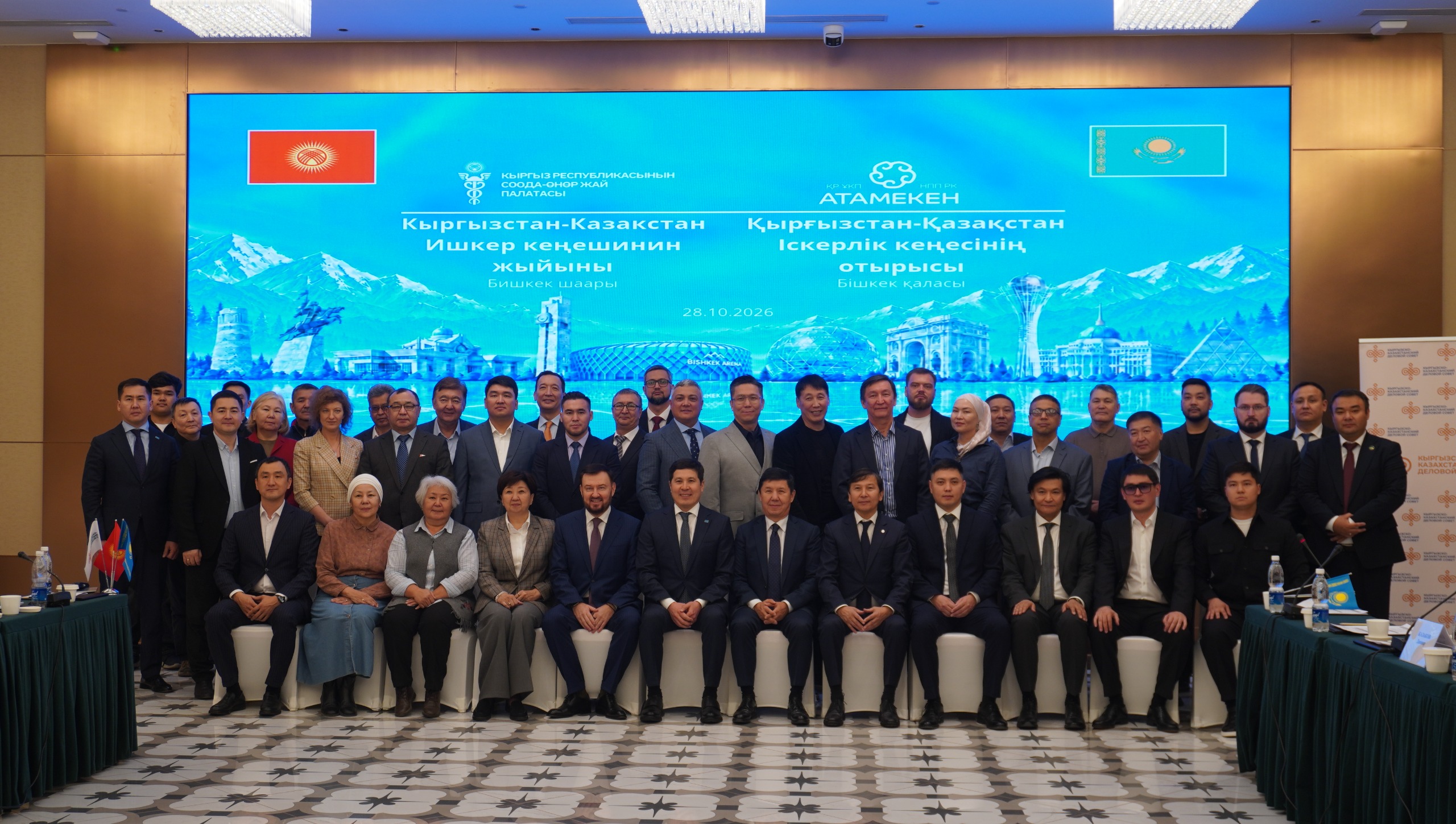
On October 28, an expanded meeting of the Kazakhstan–Kyrgyzstan Business Council took place in Bishkek ahead of the 14th meeting of the Kazakhstan–Kyrgyzstan Intergovernmental Council. Business representatives from both countries gathered to discuss mutual trade, challenges facing entrepreneurs, and prospects for cooperation in industry, energy, agriculture and agro-processing, logistics, and tourism.
The meeting was attended by Abylkair Skakov, Ambassador Extraordinary and Plenipotentiary of the Republic of Kazakhstan to the Kyrgyz Republic; Murat Karimsakov, Deputy Chairman of the Board of the Atameken National Chamber of Entrepreneurs of the Republic of Kazakhstan and Chairman of the Board of the Foreign Trade Chamber of Kazakhstan; Temir Sariev, Chairman of the Chamber of Commerce and Industry of the Kyrgyz Republic; Danil Ibraev, President of the Union of Industrialists and Entrepreneurs of the Kyrgyz Republic; and Ilyas Tulekeev and Kubatbek Rakhimov, Co-Chairs of the Kazakhstan–Kyrgyzstan Business Council.
The Foreign Trade Chamber of Kazakhstan facilitated the participation of more than 40 representatives of Kazakh businesses. Participants included representatives of Hyundai Com Trans Kazakhstan LLP, VISOR KAZAKHSTAN LLP, and KazMedAspap LLP from Almaty; Mechta 2019 LLP from the Karaganda Region; TGS-Energy from Astana; and Aral Organic from the Kyzylorda Region. The delegation also included companies operating in transport and logistics, construction, IT, trade, and services.
Murat Karimsakov emphasized that the Business Council should help entrepreneurs resolve practical issues and translate intergovernmental agreements into joint projects.
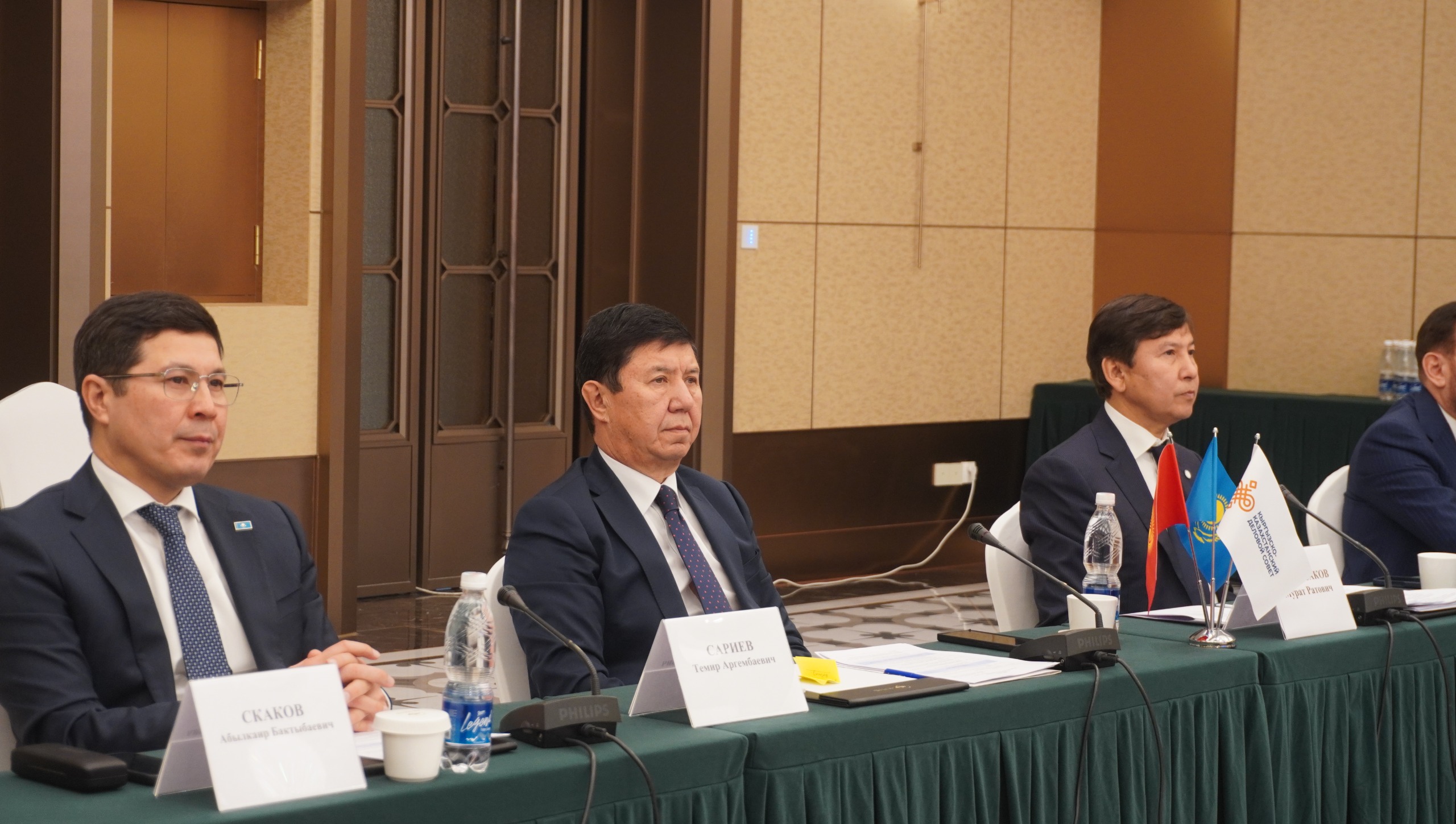
“At today’s meeting, we call for the most open dialogue possible to discuss frankly and substantively everything that currently hinders and restricts business development between our countries. The Business Council must openly identify all barriers and bottlenecks facing entrepreneurs and promptly raise them at the government level so that concrete and effective decisions can be made to address them,” said Murat Karimsakov.
Developing industrial cooperation and shared infrastructure, and addressing logistical barriers, were identified as priorities for joint work. One of the key projects involves the construction of an industrial, trade and logistics complex near border crossing points. Recurring congestion and queues of trucks at major crossings, inspection procedures, and seasonal restrictions highlight the need for comprehensive modernization of border infrastructure.
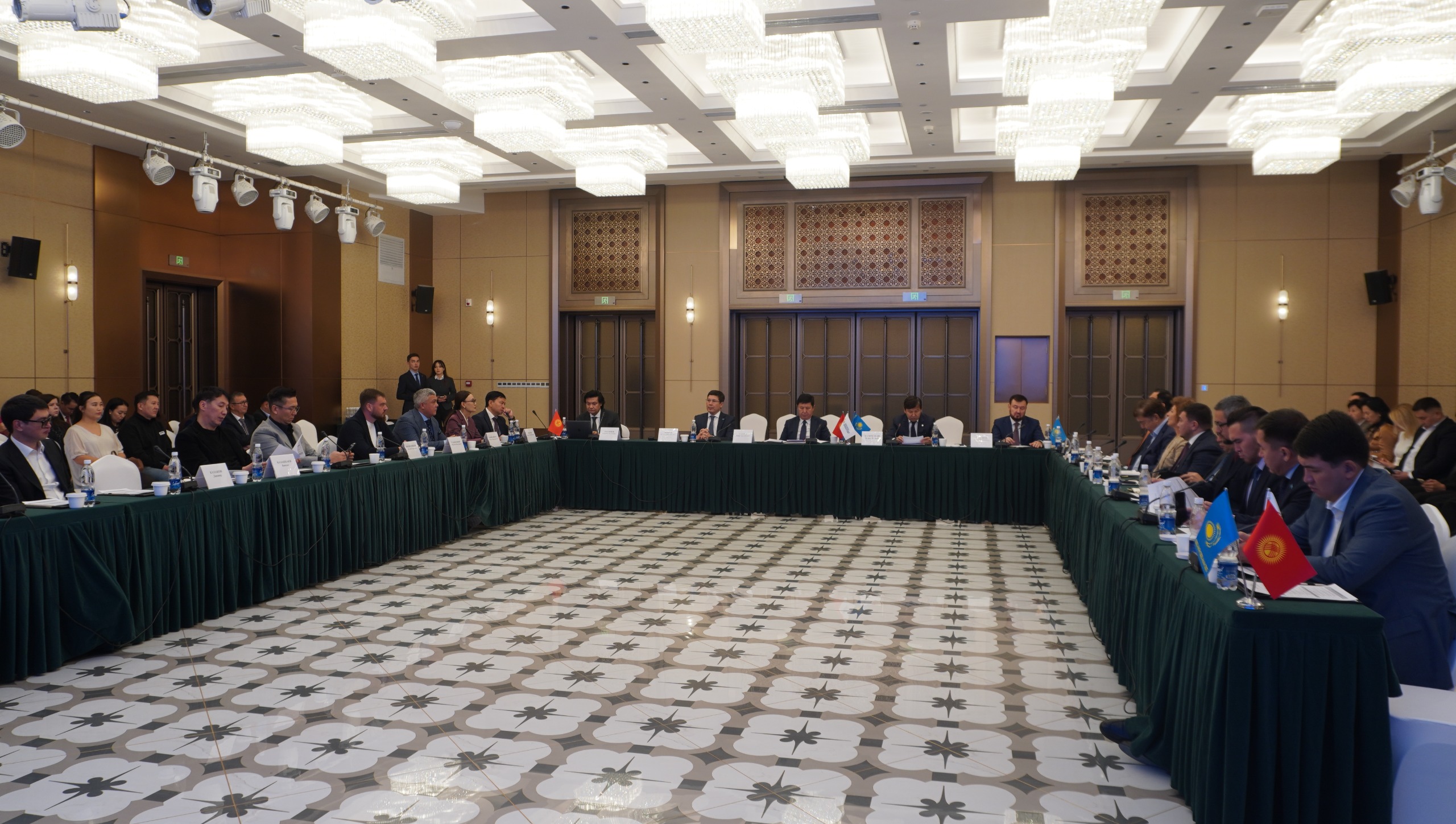
Murat Karimsakov proposed accelerating the launch of electronic queue systems, establishing priority “green corridors” for perishable goods, expanding electronic data exchange between agencies through the use of navigation seals, and harmonizing vehicle weight and dimension controls. Together with the construction of an alternative road, these measures would help ensure the swift and unhindered movement of goods.
The discussion also addressed the protection of mutual investments and operating conditions for companies in both markets. The Chairman of the Board of the Foreign Trade Chamber of Kazakhstan highlighted the need to advance the agreement on the promotion and mutual protection of investments and provide support for joint projects.
The energy agenda focused on the efficient use of water and energy resources and prospects for building solar and hydropower plants. Discussions on industry and agriculture centered on developing production partnerships, expanding processing, and bringing jointly manufactured products to third-country markets.
Following the Business Council meeting, a Joint Action Plan was prepared, incorporating participants’ proposals to simplify mutual trade procedures, develop cooperation, and implement joint projects.
On October 29, B2B meetings with Kyrgyz partners will be organized for Kazakh companies, along with visits to a free economic zone and other production sites in Kyrgyzstan. The program will enable entrepreneurs to learn about local business conditions and explore opportunities for cooperation.
 9